
If you or a loved one has recently been diagnosed with breast cancer, one of the most common concerns is: “Will chemotherapy be painful?”
This is a completely valid concern. Many patients associate chemotherapy with discomfort due to portrayals in media or anecdotal experiences. However, the reality is often very different. With advancements in oncology care, chemotherapy today is far more manageable than most people expect.
At a well-equipped cancer center in Khar, Mumbai, patients are often reassured that with the right medical support and guidance, chemotherapy can be handled more comfortably than anticipated.
This article aims to provide a clear, factual understanding—without fear or exaggeration.
First, Let's Separate Fear from Fact
Chemotherapy remains one of the most widely used treatments for breast cancer worldwide. According to global data, breast cancer is the most commonly diagnosed cancer, accounting for approximately 12.5% of all new cancer cases annually. In India, it represents nearly 27.7% of cancers among women.
With millions of women successfully completing chemotherapy, it is important to understand that while the treatment does come with challenges, it is both manageable and effective with proper medical support.
Dr. Mohan Menon, Oncologist, shares:
Chemotherapy today is far more manageable than people assume. With proactive care and guidance, patients can go through treatment with minimal discomfort and good quality of life.
Does Chemotherapy Hurt?
The chemotherapy infusion itself is generally not painful.
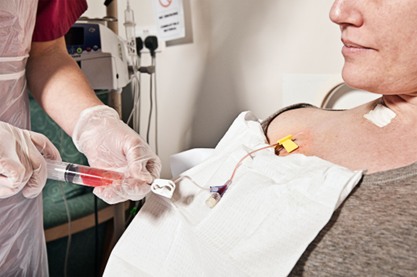
Most breast cancer chemotherapy is administered intravenously through an IV line or a port. During the infusion:
- Patients are typically seated comfortably
- There is no sharp or intense pain
- Some may experience mild discomfort or a cool sensation at the injection site
The treatment process itself is usually well tolerated.
However, side effects may develop in the hours or days following the infusion. These effects vary depending on the individual and the medications used.
Speak to an experienced oncology team for personalized care, side-effect management, and a smoother recovery experience.
Common Side Effects of Breast Cancer Chemotherapy
Chemotherapy regimens such as AC-T (Adriamycin, Cyclophosphamide, Taxol) or TC (Docetaxel and Cyclophosphamide) can affect the body in different ways. Commonly reported side effects include:
- Fatigue:
The most frequently reported symptom, often described as deep, persistent exhaustion. - Nausea and Vomiting:
Now significantly better controlled with modern anti-nausea medications. - Neuropathy (Nerve Symptoms):
Tingling, numbness, or burning sensations, especially in the hands and feet. - Mouth Sores:
Ulcers that may cause discomfort while eating or drinking.

- Hair Loss:
A common but non-painful side effect, often emotionally challenging. - Low Blood Counts:
Can lead to increased infection risk, anemia, and fatigue. - Muscle and Joint Pain:
Typically occurs a few days after certain chemotherapy drugs.
Most of these side effects are temporary and improve after treatment completion. Importantly, they can be effectively managed with appropriate medical care.
Why Supportive Care Matters
The experience of chemotherapy largely depends on the quality of supportive care provided.
Modern oncology care focuses not only on treating cancer but also on:
- Preventing side effects before they occur
- Monitoring patients closely throughout treatment
- Managing symptoms promptly and effectively
With a proactive and patient-centered approach, individuals are not expected to “endure” side effects but are supported throughout the treatment journey.

How Many Chemotherapy Cycles Are Required?
Most breast cancer chemotherapy protocols involve 4 to 8 cycles, typically spaced 2–3 weeks apart.
Many patients find that:
- The first cycle feels the most uncertain
- Subsequent cycles become more predictable
- They gradually understand their body’s response pattern
This predictability often helps patients feel more in control as treatment progresses.
Practical Tips to Manage Chemotherapy Better
Patients can take simple steps to improve comfort during treatment:
- Stay well-hydrated before and after each session
- Consume small, frequent meals
- Report all side effects promptly to your oncologist
- Maintain a strong support system
- Adhere to prescribed supportive medications
You Are Not Alone
A breast cancer diagnosis can feel overwhelming, and chemotherapy may seem intimidating at first. However, with advancements in medical care and a strong support system, most patients are able to complete treatment successfully and return to their normal lives.