
For many women, breast cancer may seem like a distant concern. However, cases have been rising globally and in India. According to the World Health Organization, it is now the most commonly diagnosed cancer worldwide.
In India, breast cancer is the leading cancer among women, with nearly 1 in 28 women at risk. In cities like Mumbai, doctors are also seeing cases at younger ages, and specialists at cancer centers in Khar have observed that many patients seek care only after overlooking early, mild symptoms.
While these numbers are concerning, early detection makes breast cancer highly treatable. The challenge is that early signs are often subtle and painless. Being aware of small changes in your body can make a significant difference.
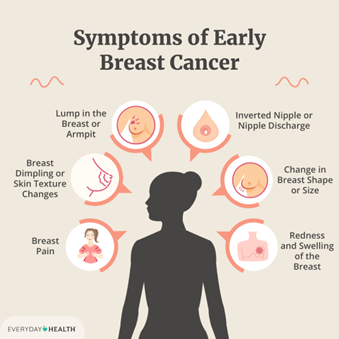
The 5 Early Warning Signs You Should Watch For
1. A New Lump in the Breast or Underarm
This is the most commonly reported symptom. Many women describe it as something they noticed “by chance” — while bathing, changing clothes, or during a self-check. Not all lumps are cancerous. In fact, many are harmless cysts or hormonal changes. But a lump that:
- Feels hard or different
- Doesn’t move easily
- Persists for weeks
should always be checked.
A simple habit: Once a month, use the pads of your fingers to gently examine your breasts in small circular motions, covering the entire area, including the underarm. This can help you become familiar with your normal breast texture and notice any unusual changes early.
2. Changes in Breast Size or Shape
You know your body better than anyone.
If one breast suddenly looks:
- Larger
- Swollen
- Uneven in shape
it’s worth paying attention.
These changes may happen gradually, which is why many women only notice them while dressing or looking in the mirror.
3. Skin Changes on the Breast
Sometimes, the skin gives the earliest clue.
Look out for:
- Dimpling (like small dents)
- Redness or warmth
- Thickened skin that looks like an orange peel
These changes can occur when underlying tissue is affected.
Even if it looks like a simple rash or irritation, don’t ignore changes that don’t go away.
4. Nipple Changes or Discharge
This is something many women hesitate to talk about — but it’s important.
Watch for:
- Nipple turning inward suddenly
- Crusting or dryness
- Unusual discharge (especially bloody or clear fluid)
These signs don’t always mean cancer, but they should never be ignored.
5. Persistent Pain in One Area
Breast pain is common — especially during periods or hormonal changes.
But pain that:
- Stays in one specific spot
- Lasts for weeks
- Feels unusual or new
Breast cancer is often painless — which is why persistent pain stands out when it does occur.
If you’ve noticed any of these symptoms, don’t wait. A timely check-up can make all the difference in early detection and peace of mind.
Why Breast Cancer Cases Are Increasing
Doctors are seeing more cases today than ever before — and it’s not just due to better detection.
Several lifestyle changes are contributing:
- Less physical activity (sedentary routines)
- Delayed pregnancies or fewer children
- Increased stress levels
- Rising obesity rates
- Processed diets and lifestyle shifts

Urban areas like Mumbai are seeing earlier onset cases, sometimes even in women in their 30s.
At the same time, improved awareness and screening have helped detect more cases early — which is a positive shift.
Simple Ways to Lower Your Risk
While not all cases can be prevented, small lifestyle changes can help:
Stay Active
Even 30 minutes of walking daily can support hormonal balance.
Maintain a Healthy Weight
Excess fat can increase estrogen levels, raising risk.
Limit Alcohol
Even moderate drinking has been linked to higher risk.

Know Your Family History
If close relatives have had breast or ovarian cancer, talk to a doctor about early screening.
Don’t Skip Screenings
Mammograms and clinical exams can detect cancer before symptoms appear.
If you are in Mumbai and concerned about any breast-related symptoms, consulting a specialist at a trusted cancer center in Khar can help you get the right guidance, timely screening, and appropriate care.
When Should You See a Doctor?
While not all cases can be prevented, small lifestyle changes can help:
A lump in breast or underarm
Visible shape or size change
Skin dimpling or redness
Nipple discharge or inversion
Persistent, unusual pain
Even if it turns out to be nothing serious, getting clarity early is always better.
Modern cancer care includes advanced treatment options such as chemotherapy, depending on the diagnosis. In some cases, seeking a second opinion can also help in making informed decisions about the most appropriate treatment approach.
Conclusion
Breast cancer awareness starts with understanding your own body. Many women discover early signs simply by paying attention to changes in how their breasts look or feel.
Although breast cancer cases are increasing worldwide, advances in medical care and early detection have greatly improved treatment success. The earlier it is diagnosed, the better the chances of effective treatment.
Taking small steps — such as regular screenings, maintaining a healthy lifestyle, and not ignoring unusual symptoms — can make a meaningful difference.
FAQs
What is the earliest sign of breast cancer?
A new lump or thickening in the breast or underarm is the most common early sign.
Can young women get breast cancer?
Yes. While more common after 40, cases in younger women are increasing, especially in urban India.
Are all breast lumps dangerous?
No. Most are non-cancerous, but every new lump should be checked.
How often should I do a self-exam?
Once a month, preferably a few days after your period.
Does early detection really help?
Absolutely. Early-stage breast cancer has a much higher success rate and simpler treatment.