
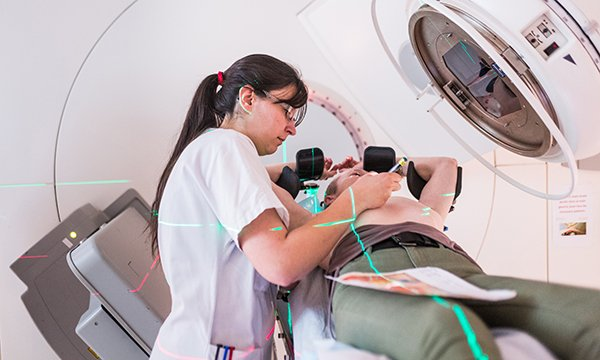
Radiation therapy is a cornerstone of breast cancer treatment, especially following surgeries like lumpectomy or mastectomy. It works by targeting and destroying residual cancer cells, significantly reducing the risk of recurrence. Studies indicate that 60–70% of breast cancer patients require radiation as part of their treatment plan.
While highly effective, radiation therapy can lead to side effects. At leading Cancer Centers in Khar, specialists note that most side effects are mild, temporary, and manageable with proper care. Understanding potential effects can help patients prepare, reduce anxiety, and stay consistent with therapy.
Why Radiation Therapy Causes Side Effects
Radiation works by targeting and destroying cancer cells. However, nearby healthy cells can also be affected, which leads to side effects. These effects usually develop gradually during treatment and improve after therapy ends.
If you or a loved one is undergoing radiation therapy and experiencing side effects, don’t hesitate to seek expert guidance. Proper care can make your treatment journey more comfortable and safe.
Common Side Effects of Radiation Therapy
Skin Changes in the Treated Area (Radiation Dermatitis)
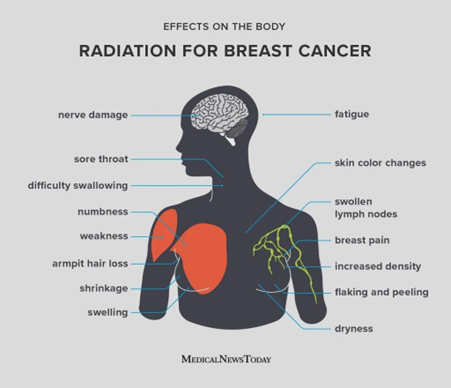
Radiation dermatitis is the most frequently observed adverse effect during breast irradiation. Patients may present with:
- Erythema (resembling a mild sunburn)
- Dryness or desquamation (peeling)
- Hyperpigmentation of the treated area
- Mild pruritus or increased sensitivity
These changes typically develop after a few treatment sessions and may persist for several weeks post-therapy. With appropriate skin care protocols and supportive care guidance, symptoms are generally well-controlled.
Fatigue
Cancer-related fatigue is a common systemic effect associated with radiation therapy. It is often described as:
- Persistent tiredness disproportionate to activity level
- Reduced energy despite adequate rest
- Decreased ability to perform routine daily tasks
Fatigue tends to be cumulative over the course of treatment and may be influenced by psychological stress, concurrent therapies, and overall health status.
Breast Edema and Tenderness
Localized inflammatory changes within the irradiated field may lead to:
- Mild breast edema (swelling)
- Sensation of heaviness or firmness
- Tenderness on palpation
These effects are typically transient and resolve gradually following completion of therapy, though monitoring is recommended to exclude other causes.
Changes in Breast Tissue and Contour
Long-term tissue effects may occur due to radiation-induced fibrosis, including:
- Mild reduction in breast volume (shrinkage)
- Increased firmness or induration
- Subtle alterations in breast shape or symmetry
While these changes are usually mild, they may persist in some patients and should be discussed during follow-up consultations.
Axillary or Regional Discomfort
When regional lymph nodes are included in the radiation field, patients may experience:
- Mild swelling or tightness in the axillary (underarm) region
- Localized discomfort or sensitivity
- Rarely, restricted range of motion in the shoulder or arm
Early intervention with physiotherapy and guided exercises can help maintain mobility and reduce the risk of long-term complications.
Looking for personalized cancer care and support? Connect with a trusted specialist to understand your treatment options and manage side effects with confidence.
How to Manage Side Effects
Taking small steps can make a big difference in your comfort during treatment:
Skin Care Tips
- Use gentle, fragrance-free moisturizers
- Avoid tight clothing on the treated area
- Protect your skin from direct sunlight
Managing Fatigue
- Get adequate rest
- Stay lightly active (short walks help)
- Maintain a balanced diet
Emotional Support
It’s normal to feel anxious or overwhelmed. Speaking with your doctor or a support group can help you cope better.
When Should You Speak to Your Doctor?

Don’t ignore symptoms that feel severe or unusual. Consult your doctor if you notice:
intense skin reactions (blistering or severe pain)
Persistent swelling in the arm
Difficulty breathing
Extreme fatigue affecting daily life
If you feel unsure about your symptoms or treatment plan, seeking a second opinion can also help you feel more confident and informed about your care.
Conclusion
Radiation therapy plays a crucial role in treating breast cancer, and while side effects are common, they are usually manageable and temporary. Knowing what to expect allows you to take proactive steps toward better recovery.
With the right care, support, and timely medical attention, most patients successfully complete treatment and return to their normal routines.
FAQs
1. What are the most common side effects of radiation therapy for breast cancer?
The most common side effects include skin changes (seen in 80–90% of patients), fatigue (60–80%), and breast swelling or tenderness. These are usually mild and temporary.
2. How long do radiation therapy side effects last?
Most side effects improve within 2 to 6 weeks after treatment ends. However, some minor changes like skin darkening or firmness may take longer to fade.
3. Is radiation therapy painful for breast cancer patients?
Radiation therapy itself is painless. However, some patients may experience mild discomfort later, such as skin irritation or tenderness in the treated area.
4. Can side effects of radiation therapy be prevented?
While side effects cannot always be prevented, they can be effectively managed with proper skin care, a healthy lifestyle, and regular follow-ups with your doctor.
5. Does everyone experience side effects from radiation therapy?
Not everyone experiences the same side effects. Some patients have very mild symptoms, while others may notice more changes depending on their body and treatment plan.