
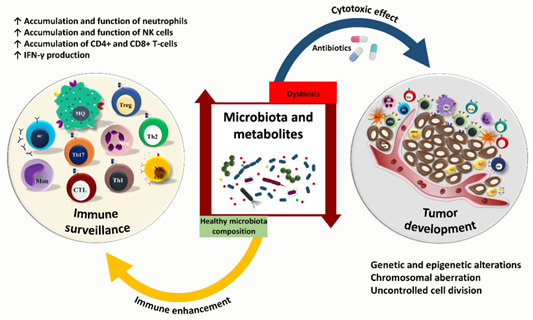
Immunotherapy has brought new hope to many people with cancer. Rather than attacking cancer cells directly, it works by helping the body’s immune system recognize and fight them.
In clinical practice, responses can vary. Two patients may receive the same immunotherapy drug yet experience very different results. Recent research suggests that one reason for this difference may lie in the gut microbiome.
At Dr. Mohan Menon Cancer Center in Khar, cancer care is approached holistically. Along with advanced treatment, factors such as nutrition, recovery, and overall well-being are carefully considered as part of immunotherapy planning.
What Is the Gut Microbiome?
The gut microbiome refers to the vast community of bacteria that live inside the digestive system. While the word “bacteria” often sounds negative, most of these organisms are not harmful. In fact, many are essential to staying healthy.
These bacteria help the body by:
- Breaking down food and absorbing nutrients
- Producing certain vitamins
- Keeping harmful microbes in check
- Controlling inflammation
- Supporting immune function
A healthy gut is not about having “good” or “bad” bacteria — it’s about balance. When this balance is disturbed, which can happen due to poor diet, repeated antibiotic use, chronic stress, or illness, the effects are not limited to the stomach. Over time, these changes can influence how the immune system behaves, especially during cancer treatment.
The Link Between the Gut Microbiome and the Immune System
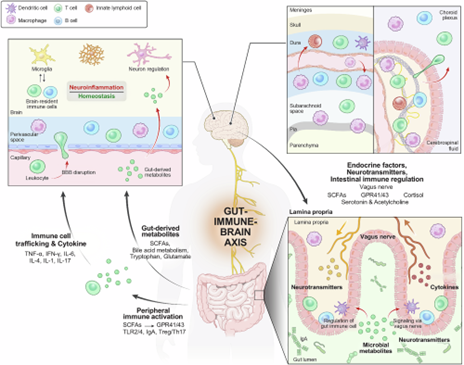
A big component of the immune system is integrated with the gastrointestinal tract. To be precise, about 70% of the functions of the immune system are related to the gastrointestinal tract. This indicates that the gastrointestinal tract is an essential player in training the immune cells to be strong at times and to be holding back at other times.
But for patients undergoing immunotherapy, this is an especially fine line to balance. Certain species of bacteria found in the gut have been shown to aid the immune system in seeing cancer cells more clearly. A balanced gut microbiome ensures that this is what happens.
On the other hand, when the balance in the gut is disturbed, the immune system might have a weak or irregular response. This is one reason why treatment response can vary greatly, even when the same drug is being used.
Schedule a Cancer Care Consultation
Get guidance on immunotherapy and personalized treatment planning.
Key Gut Bacteria Linked to Better Immunotherapy Response
Several studies have shown that patients who respond well to immunotherapy often share similar gut bacterial patterns. While this is still an evolving area of research, certain bacteria are seen more frequently in patients with better outcomes.
These include:
- Akkermansia muciniphila, which supports immune activation
- Bifidobacterium species, known to strengthen immune cell function
- Faecalibacterium prausnitzii, which helps regulate inflammation
Patients with healthier levels of these bacteria have often shown:
- Improved response to treatment
- Better disease control over time
- Greater tolerance to immunotherapy
At Dr. Mohan Menon Cancer Center, understanding a patient’s overall health, nutrition, and medication history is considered an important part of treatment planning — not an afterthought.
Managing Side Effects Through Gut Microbiome Support
Immunotherapy can sometimes cause the immune system to become overactive. This may lead to side effects such as diarrhea, fatigue, skin rashes, or inflammation affecting different organs.
Clinical experience and emerging research suggest that patients with a healthier gut microbiome may experience fewer or less severe side effects. A balanced gut appears to help keep immune reactions in check.
Supportive care may involve:
- Tailored dietary advice
- Avoiding unnecessary antibiotics
- Thoughtful use of probiotic foods when appropriate
- Paying early attention to digestive symptoms
At Dr. Mohan Menon Cancer Center, side effect management begins early. The goal is not only to treat symptoms but to support the body in handling treatment more comfortably and safely.
Speak With an Oncology Specialist
Learn how treatment choices and gut health work together.
Future of Personalized Immunotherapy Based on the Gut Microbiome
Cancer care is moving steadily toward personalization, and the gut microbiome is becoming part of that conversation. Researchers are now exploring ways to understand a patient’s gut health even before immunotherapy begins.
This includes:
- Studying gut bacteria patterns before treatment
- Using diet to support treatment response
- Exploring fecal microbiota transplantation (FMT) in select situations
- Combining immunotherapy with microbiome-focused strategies
As these advances continue, centers like Dr. Mohan Menon Cancer Center remain focused on applying new knowledge thoughtfully — always with the patient’s safety, comfort, and long-term well-being in mind.
Conclusion
Immunotherapy has changed what is possible in cancer treatment, but its success depends on more than medication alone. The gut microbiome plays a quiet yet important role in shaping immune response, treatment tolerance, and outcomes.
By paying attention to gut health alongside advanced cancer therapies, Dr. Mohan Menon Cancer Center continues to offer care that is careful, personalized, and grounded in real patient experience — treating people, not just diseases.
Frequently Asked Questions (FAQ)
Does gut health really affect immunotherapy outcomes?
Yes. Research and clinical experience suggest that certain gut bacteria can help support a stronger and more effective immune response.
Can diet make a difference during immunotherapy?
A balanced, fiber-rich diet may help maintain gut health and support immune function.
Should probiotics be taken during immunotherapy?
Not always. Probiotics should only be used under medical guidance, as they may not be appropriate for everyone.
Do antibiotics interfere with immunotherapy?
In some cases, unnecessary antibiotic use can disrupt gut balance and may affect treatment response.
Is gut health considered during treatment planning?
Yes. Care at Dr Mohan Menon Cancer Center takes a holistic approach, considering nutrition, immune health, and overall well-being alongside cancer treatment.