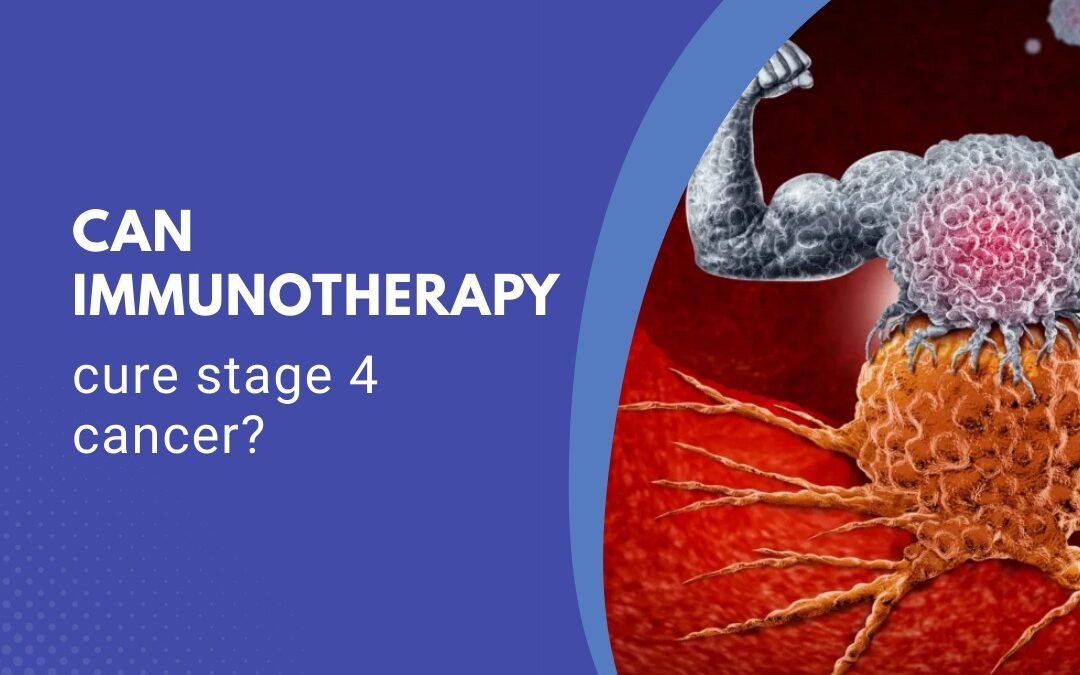
Stage 4 cancer, also known as metastatic cancer, means the disease has spread from its original site to other parts of the body. In earlier years, treatment for advanced cancer mainly focused on controlling symptoms and slowing disease progression. Today, newer treatments like immunotherapy have changed how doctors approach stage 4 cancer.
Immunotherapy works by helping the body’s own immune system recognize and fight cancer cells more effectively. This has created new hope for patients receiving treatment at leading cancer centers in Khar and across India. Understanding how immunotherapy works, who may benefit from it, and what to expect can help patients and families make informed decisions about care.
How Immunotherapy Works in Advanced Cancer
Immunotherapy strengthens the immune system so it can better identify and destroy cancer cells. Unlike chemotherapy, which attacks rapidly dividing cells directly, immunotherapy supports the body’s natural defense mechanisms.
Common types of immunotherapy used in stage 4 cancer include:
- Checkpoint inhibitors: These drugs remove barriers that prevent immune cells from attacking cancer, allowing them to respond more strongly.
- CAR T-cell therapy: In this approach, a patient’s immune cells are collected, modified in a laboratory to recognize cancer cells, and then infused back into the body.
- Cancer vaccines and oncolytic viruses: These treatments help stimulate a targeted immune response against tumor cells.
Because immunotherapy works with the immune system, it can offer a more tailored treatment option, especially when other treatments have limited results.
Book an Oncology Consultation
Talk to a cancer specialist to see if immunotherapy may be right for you.
How Effective Is Immunotherapy for Stage 4 Cancer?
The success of immunotherapy depends on several factors, including the type of cancer, genetic features of the tumor, and the patient’s overall health. While results vary, many patients have seen meaningful benefits.
Some cancers where immunotherapy has shown strong results include:
- Lung cancer: Certain immunotherapy drugs have improved survival in advanced non-small cell lung cancer.
- Melanoma: Many patients with stage 4 melanoma have responded well, with some experiencing long-term remission.
- Kidney and bladder cancers: Immunotherapy is now a standard treatment and has helped improve both survival and quality of life.
Although immunotherapy does not cure everyone, it can slow disease progression, extend life, and often cause fewer long-term side effects than traditional treatments.
Side Effects and Possible Risks
Like all cancer treatments, immunotherapy can cause side effects. These usually happen when the immune system becomes too active and affects healthy tissues.
Common side effects may include:
- Fatigue, fever, or flu-like symptoms
- Skin rashes or itching
- Digestive issues such as diarrhea
- Hormonal changes if glands like the thyroid are affected
More serious side effects are less common but may involve inflammation of organs such as the lungs, liver, or heart. Close monitoring by an experienced oncology team helps detect and manage these effects early.
Explore Immunotherapy Options
Learn how advanced immunotherapy treatments may improve outcomes and quality of life.
Combining Immunotherapy with Other Treatments
For many stage 4 cancer patients, immunotherapy is most effective when used along with other treatments. Depending on the case, doctors may combine it with:
- Chemotherapy or targeted therapy to enhance treatment response
- Radiation therapy, which can also activate the immune system
- Surgery, in selected situations, to reduce tumor burden
This combined approach allows doctors to create a treatment plan that matches each patient’s medical needs and treatment goals.
The Future of Immunotherapy in Stage 4 Cancer
Immunotherapy continues to advance rapidly. Ongoing research is focused on:
- Developing newer and more effective immune-based treatments
- Creating personalized vaccines based on tumor genetics
- Improving CAR T-cell therapy for solid tumors
These developments aim to make immunotherapy safer, more effective, and available to more patients with advanced cancer.
Conclusion
Immunotherapy is not a guaranteed cure for stage 4 cancer, but it has significantly changed how advanced cancers are treated. For many patients, it offers longer survival, better quality of life, and in some cases, long-term remission. Understanding the benefits, risks, and limitations of immunotherapy can help patients and families make confident decisions about their cancer care at Dr Mohan Menon Cancer Center.
Frequently Asked Questions
What does stage 4 cancer really mean?
Stage 4 cancer means the disease has spread from where it first started. Many patients worry this means nothing can be done. That is not true. At this stage, treatment focuses on controlling the cancer, reducing symptoms, and helping patients live as normally as possible for as long as possible.
Can immunotherapy cure stage 4 cancer?
Immunotherapy is not a guaranteed cure. Some patients respond extremely well and the cancer stays under control for years. Others may see the cancer slow down rather than disappear. We always explain honestly what immunotherapy can and cannot do before starting treatment.
Do people actually live longer with stage 4 cancer now?
Yes. Outcomes today are very different from the past. With newer treatments like immunotherapy, targeted therapy, and better supportive care, many patients are living longer and maintaining their daily routines.
How do doctors decide if immunotherapy is right for me?
We look at the type of cancer, scan findings, blood tests, and sometimes special tests on the tumor. We also consider overall health and previous treatments. Based on this, we suggest the option that is most likely to help.
Will immunotherapy replace chemotherapy?
Not always. In some cases, immunotherapy is given alone. In others, it works better when combined with chemotherapy or radiation. The treatment plan is decided case by case.
Are the side effects manageable?
Most patients tolerate immunotherapy well. Some may develop immune-related side effects, such as skin issues or fatigue. Serious side effects are less common and can usually be controlled when detected early. Regular follow-ups are important.