
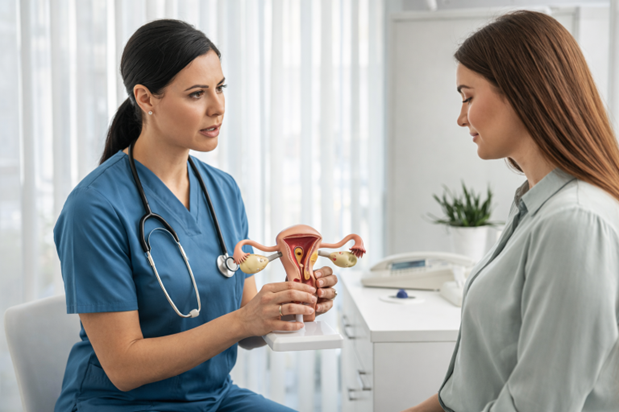
Every January, healthcare organisations worldwide focus on cervical cancer — a disease that is highly preventable yet continues to affect hundreds of thousands of women each year. In Mumbai and across India, awareness about screening and prevention can make all the difference between early detection and a diagnosis that comes too late.
At Dr Mohan Menon Cancer Center in Khar, we see firsthand how regular screening saves lives. This month is an opportunity to revisit what cervical cancer is, who should be screened, and what steps women can take to protect themselves.
Understanding Cervical Cancer
Cervical cancer develops in the cells of the cervix, the lower part of the uterus connecting to the vagina. It usually develops slowly, starting with small, precancerous changes over several years.
Key facts:
- Cervical cancer is the 4th most common cancer in women globally
- Around 660,000 new cases are diagnosed each year worldwide
- Approximately 350,000 deaths occur annually
- Nearly all cases are caused by persistent high-risk HPV infection
- When detected early, cervical cancer is highly treatable
About HPV:
- HPV is very common among sexually active people
- Most infections clear naturally within months or years
- High-risk strains that persist can cause cellular changes leading to cancer
- It can take years or decades for HPV infection to progress to cancer
The encouraging truth? Vaccination and regular testing can prevent many cases before they even begin.
Staying informed is the first step toward preventing cervical cancer and protecting your long-term health.
Why Cervical Cancer Screening Is Important
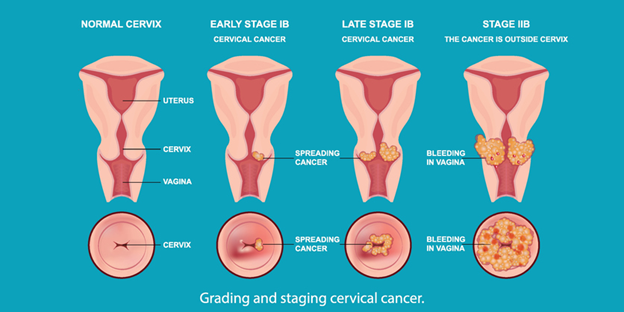
Cervical cancer often has no early symptoms. Screening detects abnormal cells before they develop into cancer, which is why it is so valuable.
Primary screening tests:
- Pap Smear Test
- Examines cervical cells under a microscope
- Detects abnormal changes early
- Quick and simple procedure during a pelvic exam
- HPV Test
- Detects high-risk HPV types in cervical cells
- Identifies women at higher risk
- Often combined with Pap smear for comprehensive screening
Both tests are quick, may cause mild discomfort, but are not painful. The reassurance they provide is invaluable.
How Often Should You Get Screened?
- Women aged 25–65:
- Pap smear every 3 years, or
- HPV test every 5 years, or
- Both tests together (co-testing) every 5 years
- Special considerations:
- Begin screening around age 25 or within 3 years of becoming sexually active
- More frequent testing may be needed for women with abnormal results or weakened immunity
- After 65, women with consistently normal results may stop screening (consult your doctor)
Remember: Screening schedules should be personalised with your doctor.
HPV Vaccination and Cervical Cancer Prevention
HPV vaccination is one of the most effective ways to prevent cervical cancer. While screening identifies problems early, vaccination helps stop them from occurring.
Vaccine facts:
- Prevents up to 90% of cervical cancers caused by vaccine-targeted HPV strains
- Most effective before exposure to HPV
- Recommended for girls and boys, ideally ages 9–14
- Adults up to age 45 may benefit depending on risk factors
Vaccination schedule:
- Ages 9–14: Two doses
- Ages 15 and above: Three doses
Important: Vaccination does not replace screening. Even vaccinated women should continue regular Pap smears or HPV tests.
In Maharashtra, free HPV vaccination programmes for girls aged 9–14 are helping protect young women early.
Other Ways to Reduce Cervical Cancer Risk
Beyond vaccination and screening, lifestyle and routine care matter:
- Quit smoking: Tobacco doubles cervical cancer risk
- Practice safe sex: Condoms offer partial protection; limiting partners helps reduce HPV exposure
- Maintain a healthy immune system: Eat a balanced diet, manage stress, and treat chronic conditions
- Attend regular gynaecological check-ups: Do not skip visits, even after childbirth or menopause
- Watch for symptoms: Unusual bleeding, discharge, or pelvic pain should be checked promptly
These steps work best when combined with vaccination and regular screening.
Small preventive steps today can make a big difference later by reducing your risk and catching problems early.
Why January Matters for Cervical Cancer
In Khar, centers like Dr Mohan Menon Cancer Center help make these conversations easier by offering guidance, screening support, and the option of a second opinion when women need reassurance or clarity about their diagnosis or screening results — so no one feels unsure or alone when taking the first step.
January 2026 is an opportunity to:
- Book that overdue cervical cancer screening
- Ask questions without hesitation or fear
- Encourage mothers, sisters, friends, and daughters to prioritize their health
- Share accurate information and clear common myths
Cervical cancer doesn’t have to be a silent disease. With regular screening and timely preventive care, supported by experienced cancer care teams, it can often be detected early — and in many cases, prevented before it ever begins.
A Simple Reminder
If you have a cervix and haven’t had a screening in the last few years, this January is the right time. One appointment can bring peace of mind — or catch something early, when it’s easiest to treat.
Your health is worth that hour.
Frequently Asked Questions (FAQ)
How can cervical cancer be prevented?
Through HPV vaccination and regular cervical screening. Maintaining overall health and avoiding smoking also reduce risk.
What are the screening methods?
Pap smear (examines cervical cells) and HPV test (detects high-risk HPV). Sometimes both are done together. Your doctor will advise which is suitable.
What are the symptoms?
Early cervical cancer usually has none. Later signs may include unusual vaginal bleeding, abnormal discharge, or pelvic discomfort.
What is the main cause?
Persistent infection with high-risk HPV.
Who should get screened?
Women aged 25–65, and earlier or more frequently for those with risk factors. Screening schedules are personalised by your doctor