
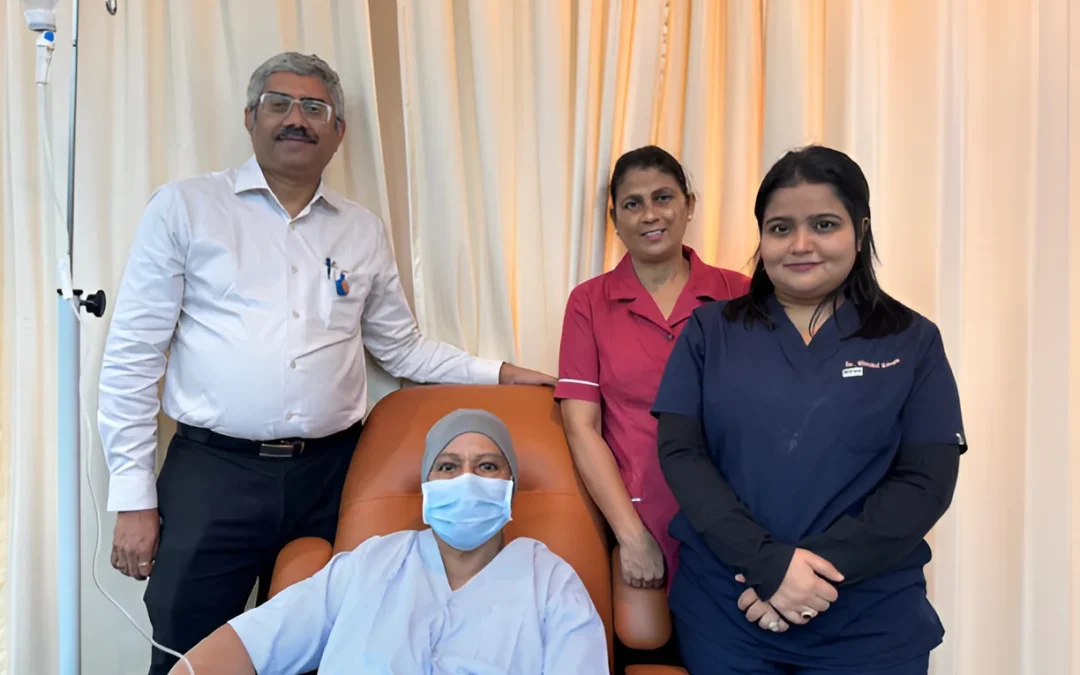
A cervical cancer diagnosis often brings many questions and fears. One of the first things doctors look at is the stage of the cancer, because treatment is not the same for everyone. Some women need only minor procedures, while others require a combination of therapies.
At Dr Mohan Menon Cancer Center in Khar, treatment decisions are made after carefully considering the stage of cancer, the patient’s age, overall health, and personal priorities. The focus is not just on treating the disease, but on caring for the person behind the diagnosis.
Understanding Cervical Cancer Staging
Once cervical cancer is detected, it is essential for medical practitioners to determine the extent of the spread of the cancer. This process is called staging, and it is one of the factors used in the determination of cancer treatments.
Generally, doctors often resort to the FIGO classification system, combined with clinical and scan analyses, to acquire an overall understanding. Moreover, if cancer is diagnosed at an early point, the cancerous growth remains within the cervix.
If the cancer has spread beyond the cervix, it might be affecting adjacent tissue or organs. In such a situation, the treatment becomes complex and might require a combination of different therapies.
This is important because it assists doctors in not guessing what to do on stage. This helps them to plan the necessary—but not excessive—treatment. Also, it gives the patient an idea about what is to come next.
Book an Oncology Consultation
Worried about symptoms or screening results? Book a consultation to discuss the right treatment plan for your stage and health needs
Cervical Cancer Treatment by Stage
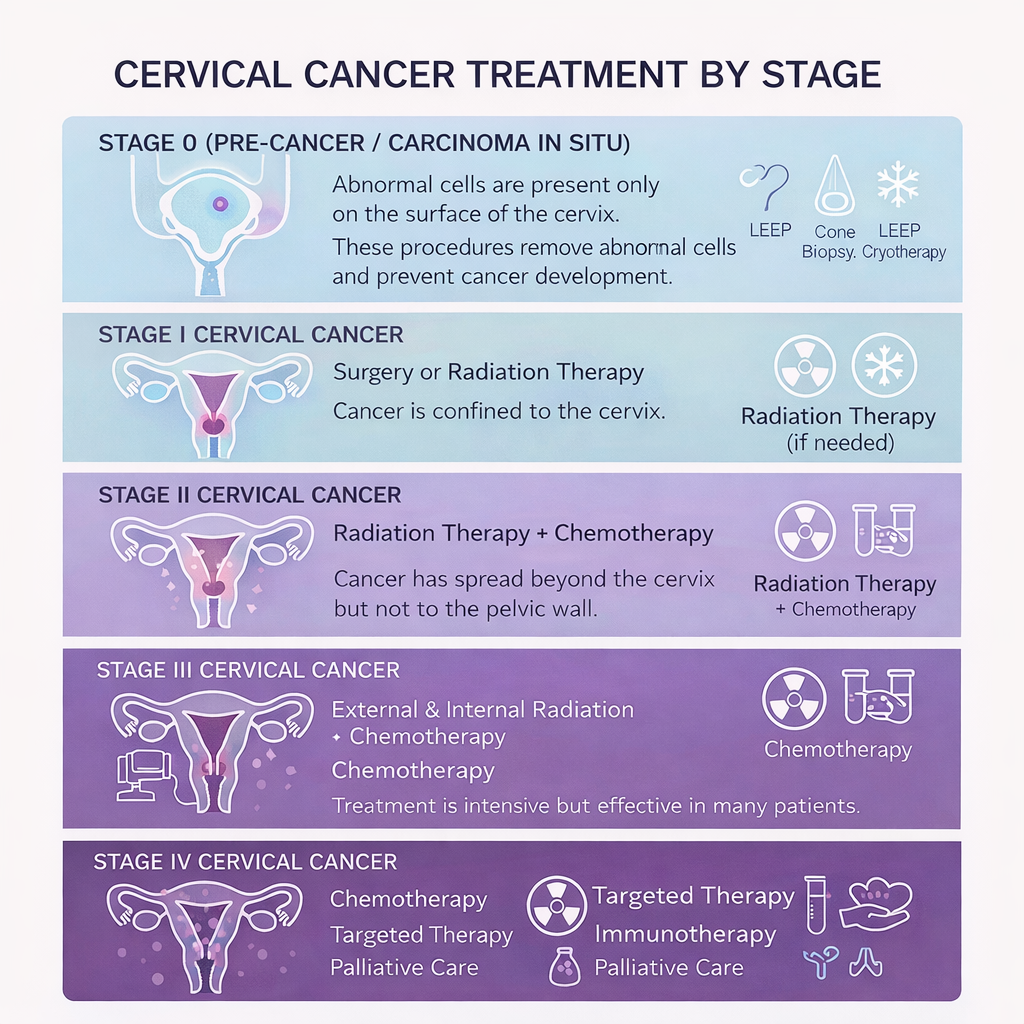
Stage 0 (Pre-cancer / Carcinoma in Situ)
At this stage, abnormal cells are present only on the surface of the cervix. They have not invaded deeper tissues.
Treatment usually involves simple procedures such as LEEP, cone biopsy, or cryotherapy. These treatments remove abnormal cells and prevent cancer from developing. Most women recover quickly and can return to normal activities soon.
Stage I Cervical Cancer
In Stage I, cancer is confined to the cervix.
Depending on how early it is detected, treatment may include surgery alone, such as a hysterectomy or fertility-preserving surgery like trachelectomy. In some cases, radiation therapy may be recommended. Cure rates are high when treated at this stage.
Stage II Cervical Cancer
Here, cancer has spread beyond the cervix but has not reached the pelvic wall.
Treatment most often involves a combination of radiation therapy and chemotherapy. These treatments work together to destroy cancer cells and reduce the risk of recurrence. Surgery is usually not the first option at this stage.
Stage III Cervical Cancer
Stage III cancer has spread to the pelvic wall, lower vagina, or may affect kidney function.
Treatment typically includes external radiation, internal radiation (brachytherapy), and chemotherapy. Although treatment is more intensive, many patients respond well with careful monitoring and supportive care.
Stage IV Cervical Cancer
In Stage IV, cancer has spread to nearby organs or distant parts of the body.
Treatment focuses on controlling symptoms, slowing disease progression, and improving quality of life. Options may include chemotherapy, targeted therapy, immunotherapy, and palliative radiation. Supportive care plays an important role at this stage.
Side Effects and Recovery After Treatment
It is important to know that each woman’s healing process is unique. This is dependent on the nature of the treatments she receives and how her body reacts to these treatments. Some discomfort and rest are expected after a woman undergoes a surgical procedure. Remedies such as radiation, chemotherapy, or others may lead to a woman feeling tired, having digestion issues, or having a low energy level.
The bright side of all this is that side effects are temporary and can be taken care of properly with appropriate care from a physician. This physician continues to monitor their patients carefully and assists them appropriately through follow-up care, which helps patients cope with side effects before successfully regaining their strength back into their regular routine.
Importance of Early Detection and Screening
Cervical cancer is among the many kinds of cancer which could be diagnosed and prevented or detected earlier. There are methods such as Pap smear tests and an HPVscreen to check abnormalities on the cervix before turning into cancer.
Regular follow-up visits and HPV vaccination can reduce the risk. Since cervical cancer can often be detected in its early stages, treatments become simpler, and recovery is much faster.
Early Immunotherapy Options
Early detection saves lives. Schedule your cervical cancer screening or follow-up appointment today.
Conclusion
Treatment for cervical cancer varies greatly depending on the stage of diagnosis. Should it be diagnosed in earlier stages, treatment and management are easier and more effective. Even in more progressed cases, treatment has helped control the situation and provide certain quality of life.
At Dr. Mohan Menon Cancer Center in Khar, patients are provided with proper care and adequate guidance, which gives them confidence to cope with their cancer treatment.
Frequently Asked Questions
What are the early signs of cervical cancer?
During the initial stages, it may not have any visible symptoms. Women may suffer from different symptoms such as unusual vaginal bleeding, bleeding after intercourse, pelvic pain, and discharge. These symptoms may not always be serious, but they must always be attended to.
Is cervical cancer painful?
Cervical cancer usually does not cause pain in its early stages. Pain or discomfort may develop only when the disease progresses, which is why routine screening plays such an important role in early detection.
How is cervical cancer diagnosed?
Diagnosis often begins with routine screening tests such as a Pap smear or HPV test. If anything abnormal is found, the doctor may recommend further tests like a biopsy or scans to confirm the diagnosis and understand the stage of the cancer.
How do doctors decide if immunotherapy is right for me?
We look at the type of cancer, scan findings, blood tests, and sometimes special tests on the tumor. We also consider overall health and previous treatments. Based on this, we suggest the option that is most likely to help.
Can cervical cancer return after treatment?
Yes, in some instances, cervical cancer can reoccur. Follow-ups, scans, and tests are vital after the completion of treatments in order to track the health and notice any developments at the earliest.
Does treatment for cervical cancer affect sexual health?
Some therapies may cause changes in the sexual health of the individual. Doctors also help patients to cope with such changes. Changes may be temporary or permanent.
Is chemotherapy necessary for all cervical cancer patients?
No, chemotherapy is not required in every case. It is usually recommended for advanced stages or when combined with radiation therapy to improve treatment outcomes.
How long does it take to recover after cervical cancer treatment?
Recovery time depends on the type of treatment. Surgical recovery may take a few weeks, while recovery after radiation or chemotherapy can take longer and varies from person to person.